
OFF SUIT

Author: fullhousepartne08

  • 25 Proven Strategies to Grow Our Instagram Following in 2025

    25 Proven Strategies to Grow Our Instagram Following in 2025

    In our experience at Offsuit, we know full well that Instagram followers are so much more than just numbers. They represent our community, our supporters, and very often, our future clients. Cultivating a strong, meaningful presence on Instagram in 2025 is about far more than attractive photos — it’s about having a plan, being consistent, and, above all, sharing content that truly connects.

    If you’re like us — growing a brand, creating content, or building your business — these 25 strategies are what we’ve found to be most effective. They’ll help us grow our audience, raise our profile, and foster genuine engagement that lasts. Let’s explore what really works:

    1. Avoid Buying Followers
    We’ve all been tempted, but fake followers only undermine our reputation and skew our results. In 2025, real growth depends on authenticity.

    2. Craft a Clear Brand Identity
    Consistency is everything. Our profile, tone, and visuals should show at a glance who we are and what we stand for. When people land on our feed, it should be obvious why they’d want to join our community.

    3. Embrace a Natural Niche
    Choosing a niche aligned with our real interests and strengths helps us attract the right people and builds trust in our expertise.

    4. Keep Our Feed Cohesive
    Think of our Instagram grid as a visual elevator pitch. A consistent aesthetic makes a better first impression and shows professional intent.

    5. Optimize Our Bio
    That one short bio is prime real estate. Let’s fill it with relevant keywords, well-placed emojis, and a strong call to action. And let’s direct our link to what matters most — like our latest offers or key content.

    6. Write Descriptive, Keyword-Focused Captions  
    Instagram search isn’t just about hashtags anymore; people now search by keywords. We make sure our captions include the search terms our audience is looking for.

    7. Research Niche Hashtags  
    Generic hashtags are saturated — we use targeted, relevant hashtags to help our ideal audience discover us.

    8. Post Consistently 
    Whether we post three times a week or daily, keeping a regular schedule pays off. The more predictable we are, the more we tend to see organic growth.

    9. Post When Our Audience Is Online 
    Rather than relying on outdated advice, let’s use our analytics. Our unique audience may be active at surprising times — our data will tell us when.

    10. Make Content Accessible
    Accessibility matters now more than ever. We add alt text, captions, and keep our content easy for everyone to enjoy.

    11. Partner With Creators and Brands  
    Collaborating with those who share our values helps us reach new corners of Instagram. Engaging with micro-influencers often delivers better results than chasing accounts with huge followings.

    12. Practice Social Listening
    We pay close attention to trending discussions and what people are saying about us and our space. Creating content that directly responds to community interests keeps us relevant.

    13. Lean Into Reels
    Reels remain Instagram’s top format for organic discovery in 2025. We use trending sounds, quick stories, and clear overlays to give our reels a boost.

    14. Jump On Trends Early  
    When we spot a trend that fits our style and brand, we get involved before it peaks. Timing helps us capture new attention.

    15. Build Solid Story Highlights
    By organizing our best Stories into Highlights, we make sure new visitors see what we’re known for — tutorials, testimonials, or quick product intros.

    16. Share Memes and Relatable Content
    Whether educational, funny, or just highly relatable, shareable posts get people tagging friends and returning for more.

    17. Feature User-Generated Content (UGC)  
    There’s nothing more trustworthy than content our followers share about us. When we post UGC (with permission), we show real experiences and build social proof.

    18. Run Targeted Giveaways  
    Thoughtful giveaways are a proven growth hack, but we’re careful — our entry requirements are designed to attract genuine future fans.

    19. Cross-Promote on All Channel 
    Instagram doesn’t operate in isolation. We’re always inviting people over from our email newsletters, LinkedIn, TikTok, podcasts, and website.

    20. Double Down On What Works  
    We regularly review our stats: What content gets shared or saved? Once we see what our community loves, we do more of it.

    21. Use Instagram Live to Build Trust 
    Going live allows us to connect in real time, show authenticity, and share exclusive moments or Q&As that our audience values.

    22. Play With Threads  
    With Threads tightly integrated with Instagram, it’s a low-effort way to share bite-sized content and try out new creative ideas.

    23. Test Ads — Even Small Ones  
    If we want a push, we experiment with Instagram ads. Even with small budgets, we reach new people via lookalike or retargeted audiences.

    24. Prioritize Realness Over Perfection 
    Audiences in 2025 crave authenticity. We’re not afraid to show our process, our stumbles, and the human side of our work.

    25. Build Community First 
    Our biggest wins come from real conversation. Every time we respond, launch an AMA, or feature a follower, we deepen our relationship — and that’s the secret to lasting growth.


    Instagram continues to evolve, but one thing never changes: People follow people, not just posts. If we stay authentic, consistent, and show up for our community, our follower count will take care of itself.
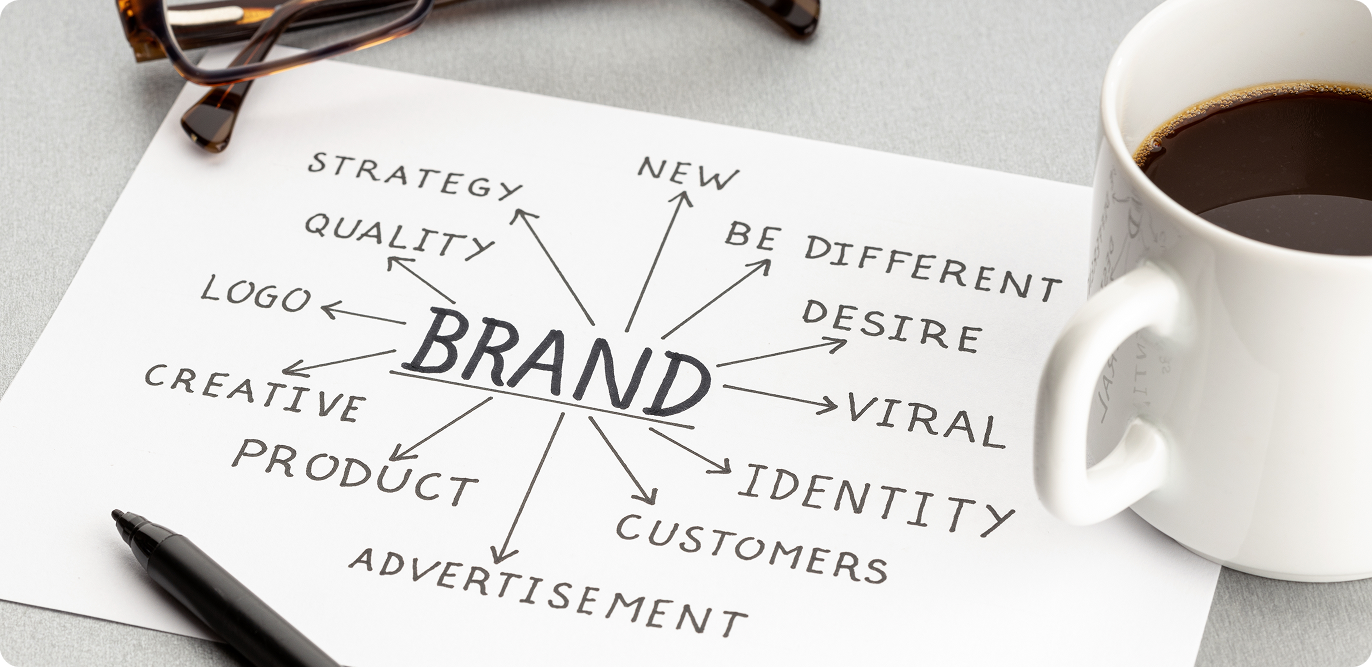
  • Is Your Brand on Mute?

    Is Your Brand on Mute?

    I’ll admit it: for a long time, I thought the main way to get a brand noticed was through striking visuals and razor-sharp graphics. My mind used to jump straight to colors, logos, and images whenever the word ‘branding’ came up. But lately, especially as I’ve immersed myself in today’s tech-driven world, my perspective has shifted—and maybe yours should, too.

    Nowadays, our daily lives overflow with technology—from smart speakers in our kitchens to the earbuds we rarely take out. So much of what we experience is driven by sound. When I wake up and ask my digital assistant for the weather, or when I’m winding down listening to a branded podcast, it’s obvious: audio isn’t just in the background. It’s front and center. And yet, while many brands invest heavily in visuals, so many still overlook how crucial sound can be to the overall brand experience.

    Experiencing the Power of Sonic Branding

    Remember when everyone was obsessed with ultra-high definition screens and flashy image quality? Not that visuals don’t matter—they absolutely do—but I’ve realized that sound has started to play an equally important role. I see it every day: people crave seamless interactions, and sound is now the bridge that delivers both information and emotion.

    But here’s what astounds me: tons of brands still haven’t pulled together a unified approach for their audio identity. I can tell you from personal experience working at Full House Partners, this is a gaping hole in most marketing strategies— and, in my view, it’s a missed opportunity.

    Why Your Brand Needs an Audio Strategy

    I’ve learned that just as a strong color palette or a recognizable logo fosters trust, so does a coherent approach to sound. Every single audio interaction—background music in an ad, the ‘voice’ of your chatbot, even those tiny sound cues you barely notice—shapes how your brand feels to people. Without a clear audio identity, I often see brands unintentionally send mixed messages.

    From my work, I’ve seen that an effective audio strategy should include four core elements:

    – Sonic Mnemonic: For me, nothing sticks quite like a distinct sound logo. It’s like your brand’s handshake—short, memorable, and instantly associated with you.
    – Consistent Digital Voice: In today’s digital world, using the default voice setting is a real misstep. We craft natural, human-like voices for assistants and chatbots so brands come across as real, reliable, and approachable.
    – Music Strategy: Music goes deeper than just background ‘noise’. Carefully chosen tracks spark emotion, set the scene, and make your brand’s personality shine.
    – Integrated Sonic Blueprint: The ultimate goal? To make sure every interaction—passive (like radio ads) or active (like talking to a branded voice bot)—feels like it comes from the same ‘family.’

    Passive vs. Active Engagement: My Perspective

    Personally, I love how audio can shape experiences both passively and actively:
    – Passive Sonic Engagement: This is when people hear a jingle or branded music as they go about their day. They’re not consciously thinking about it, but the sound soaks in and, over time, that tune or sound effect becomes tied to your brand.
    – Active Sonic Engagement: This is where things get interactive. Think about chatting with a brand’s digital assistant or navigating a branded voice app. Done right, this is a two-way conversation, and each word your brand ‘speaks’ can build (or break) trust.

    The Risks of Staying Silent


    If I’ve learned anything, it’s this: silence is not golden when it comes to branding. Overlooking sound could mean giving your competitors the edge—because if you’re not owning your audio space, who is? Every tone, every cue your audience hears (or doesn’t hear!), is either building your brand or letting others swoop in to fill the gap.

    How I Help Brands Find Their Voice

    At Full House Partners, my team and I go beyond basic jingles. We pull together everything your brand needs to sound as good as you look—so you never miss the chance to connect with your audience, wherever they happen to be listening.


    If you’re wondering if now is the time for your brand’s sonic upgrade—trust me, there’s never been a better moment. Visuals will always matter, but in 2025, your audience expects to hear from you—literally. The only question is: are you ready to make your brand’s voice impossible to ignore?

  • For Gen Z, Brand Is What You Share, Not What You Sell  

    For Gen Z, Brand Is What You Share, Not What You Sell  

    Whenever conversations turn to Generation Z, I notice that people tend to speak in sweeping terms: some say we’re idealistic and self-indulgent, others call us disruptive yet fond of nostalgia, or driven but anxious. Living in the middle of all these contrasts, I see just how much our generation reflects the crosscurrents of today’s culture.

    But, over time—especially through my work at Full House Partners—I’ve come to realize there is something much deeper going on with Gen Z and brands. For us, brands are defined more by what they choose to share than by what they simply sell.

    As part of Gen Z, I recognize how quickly—and profoundly—we impact wider culture through what we do online, both individually and as communities. Our generation has a fundamentally different relationship with brands: we expect instant responses, authentic connections, and genuine dialogue. Being always connected doesn’t just let us keep up with culture; it puts us in a position to actually drive it. According to projections, by 2031 our global income will reach around $33 trillion, overtaking Millennials and turning us into the largest group of potential consumers worldwide (source: CNBC).

    At Full House Partners, I’ve had the chance to help lead deep-dive research and hands-on workshops with international brand managers. What we found consistently is that if companies want to connect with us on a meaningful level, they have to let go of controlling every detail of their brand story. In fact, co-creation—actively involving people like me in shaping the story and even the products—is now a must. This shift requires companies to rethink old-school business practices and even how their teams work together.

    To really build a place in Gen Z’s world, brands have to change from the inside out: that means reevaluating organizational habits, opening up to collaboration, and putting real experiences before yet another transaction. Winning brands in this era are ones that don’t just try to sell; they honestly share, involve us, and evolve with us.

    At Full House Partners, my team and I don’t just come up with ideas—we make sure they happen in the real world. What our experience tells me is this: if you want to succeed with Gen Z right now, focus on collaboration, authentic engagement, and being real at every step.

  • Winning With Gen Z—How I Learned to Make My Brand Truly Share

    Winning With Gen Z—How I Learned to Make My Brand Truly Share

    I’ve noticed something transformative over the last few years—especially working closely with different generations. With Gen Z, the rules are different. Unlike previous generations, they aren’t interested in just buying; they want to feel involved and included by the brands they choose to support. For Gen Z, being part of something—whether it’s a movement, a creative project, or a value-driven mission—is what matters most.

    At Full House Partners, my team and I have watched how Gen Z reshapes what it means for a brand to share. Sharing, in their world, goes far beyond the transaction. They care about authentic values, fresh ideas, and creative contributions. They want a stake in what’s being built by a brand and its community.

    Our latest research consistently shows that Gen Z expects to be treated as co-creators. They don’t see themselves as passive buyers, and they’ve made me reconsider every campaign, every communication, and every product launch. If you want to reach them, you need to put genuine connection first. When brands adapt to this mindset, it’s possible to form real relationships that stick—not fleeting interest, but lasting loyalty and meaningful interaction.

    What does this mean in actual practice? To me, four things stand out:

    1. Really understand who Gen Z is, and how they view brands: This group prizes honesty, transparency, and stories that actually mean something. I’ve seen how, when brands are genuinely driven by purpose and not just profit, people notice—and respond with trust.

    2. Move toward participatory branding: Stop seeing your audience as just numbers or targets. I’ve found enormous value in giving Gen Z an active role, inviting their ideas and feedback, and involving them in where the brand is going.

    3. Think of your brand as more than just a product seller: What if your brand became a true community? The most lasting engagement I’ve witnessed happens when you turn the brand experience into something people want to be a part of, not just something they buy.

    4. Focus on building a real community: Brands that foster genuine connections—where people advocate for you and stick around—are always the ones with lasting relevance, especially among younger consumers. It’s not a tactic; it should be the core of your strategy.

    At Full House Partners, we bring together imaginative thinking and sharp analytics to help our clients get ahead of the curve. I’ve realized that sharing—being open, authentic, participatory—isn’t just what works with Gen Z, it’s becoming the way any brand must behave to matter now.

    Now more than ever, I believe the brand you build is defined by what you really share—not by what you sell.

  • The Role of Customer Data Platforms in a Consumer-First Digital World  

    The Role of Customer Data Platforms in a Consumer-First Digital World  

    I’ve found myself, time and again, at the crossroads of technology and marketing—especially as customer expectations have risen like never before. The fast pace of the digital world around us is unmistakable. More than ever, I notice how we, as individuals, crave seamless, tailored interactions with brands. If companies miss the mark, they get left behind. Increasingly, I see that the key link between marketing and successful technology is the Customer Data Platform, or CDP. For me, it has become the critical foundation behind any modern marketing tech (martech) infrastructure.

    Understanding What a CDP Really Is—and Why I Consider It Essential


    Let me explain how I see CDPs: At their heart, they are platforms that sit at the center of a business, pulling together all the countless data points about customers—from websites, mobile apps, even in-person visits. They solve a problem I often grappled with: fragmented customer data. It’s not enough to have a dozen separate tools or outdated CRM systems scattered around. Instead, a CDP creates a living, always up-to-date profile of every customer, ready to fuel almost magical levels of personalization.

    I like to imagine my martech stack as a Formula One car. Without putting premium fuel—that is, clean and unified data—into the tank, even the most advanced technology just won’t deliver peak performance.

    CDPs: Capabilities That Changed the Game for Me

    – Collecting and Integrating Data: From the start, I realized it’s about bringing together everything: website behaviors, app touchpoints, what happens in-store, plus insights from external sources and even offline sales data.

    – Making Sense of Customer Identities: t makes such a difference to unify all those scattered customer IDs into a single, coherent profile—so no engagement gets lost.

    – Real-Time Activation: I’ve been able to run automated campaigns, personalize product suggestions, and coordinate messaging across channels literally in real time.

    – Ensuring Governance and Security: Another huge plus is the peace of mind knowing that data accuracy, privacy, and security standards are managed consistently—crucial for earning trust, not just with customers but within my own teams.

    The Amazon Effect: I Witnessed How Commerce Changed

    Whenever I look at the way Amazon does things, I realize they’ve set a new standard that all of us must meet. Personally, I’ve grown used to brands recognizing my needs almost before I voice them! This “Amazon Effect” has shaped what customers expect across the board. Amazon’s real advantage comes from integrating browsing histories, purchase behaviors, and third-party insights, so they can anticipate and remove friction from every step.

    Without a CDP in place, I see brands struggling with outdated, scattered data and missing the mark on what their customers really want. You end up with a patchy understanding—a 300-degree view, not the full picture needed to outpace the competition.

    How I Determined My Readiness for a CDP

    There came a time when I had to ask myself:

    1. Are we still relying on manual exports and pivot tables just to analyze data across different channels?
    2. Is launching even a simple campaign taking us weeks instead of just hours?
    3. Are different departments working with conflicting or incomplete views of our customers?

    Whenever I answered “yes” to any of these, it was my cue to look seriously at implementing a CDP. My first move was to map where all our data actually lived, connect with every team involved, and figure out what “success” would look like once real activation was possible.

    Starting Out: Questions I Also Had to Answer

    – Where exactly is our customer information stored right now?
    – Who uses that data, and for what purposes within the business?
    – What other tools are already part of our martech toolbox?
    – How fast can we turn on a new personal campaign?
    – Do we have a process for stitching together learnings from every channel?

    The Strategic Edge I Saw with a CDP

    Once I committed, I found that having a CDP didn’t just make things easier; it aligned our whole organization. Data became standardized. The return on investment picked up speed. Bringing marketing, commerce, and analytics together in one place meant I could finally meet—and even surpass—customer expectations. Data wasn’t just sitting idle; it became revenue.

    At Full House Partners, I work closely with brands every day, helping them navigate the CDP journey end to end—whether it’s choosing the right platform, integrating it into existing systems, or continually refining how it works. My focus is always practical: every euro spent needs to move the business forward measurably.


    In this time when customers drive everything, I’m convinced: The organizations that thrive are those that truly know their customers and act on those insights the moment it matters.

  • How I See Smart Stores Truly Delighting Customers

    How I See Smart Stores Truly Delighting Customers

    As someone immersed in the world of retail, I’ve watched customer expectations soar as technology moves forward at lightning speed. It’s getting harder to impress people with just a nice storefront—these days, shoppers want a seamless and personal experience whether they’re browsing online or stepping into the store. That’s where I believe the concept of a smart store really shines.

    For me, the digital transformation in retail has become more than just a trend. Thanks to advances like 5G, cloud computing, IoT, big data, and AI, stores are now evolving into environments that are not only efficient but memorable and deeply connected with how customers live and shop today. These changes are reshaping how brands and shoppers interact—making every visit feel relevant and personal.

    What Smart Stores Have Done for Retailers Like Me

    1. Digital Tools Help Me Understand Customers Better

    One of the biggest game-changers has been gathering real-time data—from tracking foot traffic to seeing what catches someone’s eye. Tools like IoT sensors and analytics powered by AI can show me exactly how people move through my space and what makes them purchase. With these insights, I can adjust my displays, personalize my offers, and tailor every aspect of the shopping journey, just as I would for a friend. It’s amazing how much this elevates customer satisfaction.

    2. Automation That Actually Works for Everyone

    I’ve embraced things like smart self-checkout counters and automated stock tracking. Experience leads me to appreciate how these innovations do more than save me money—they create a frictionless experience for shoppers. No one likes waiting in line! I look at trailblazers such as:
    – Hema (Freshippo): Their fully digital approach links online orders with in-store pick-up, making fulfillment super-efficient and seamless for customers.
    – Uniqlo: I’m inspired by how Uniqlo uses computer vision in their stores so you can instantly find and buy what you want with minimal fuss.
    – Bingo Box: Their autonomous convenience stores open 24/7 are already pointing the way to the future.

    3. Connecting Physical and Digital Shopping

    Personally, nothing beats walking into a store where smart mirrors, touchscreen displays, and even helpful AI chatbots blend together for a unified shopping journey. It’s about choice and convenience—I can start browsing online, check stock on my phone, then complete my purchase in the store, or vice versa. This smooth connection across channels is what really strengthens my loyalty to a brand, and I know I’m not alone.

     The Business Benefits I’ve Seen Firsthand


    – More Sales Per Visit: Streamlined checkouts and offers that are actually relevant make customers buy more, as I’ve witnessed time and again.
    – Lower Costs, Fewer Headaches: Automating routine tasks not only frees up my staff for better service, but it also cuts down on the costs and errors that used to haunt me.
    – Turning Customers into Fans: When people have a smooth, enjoyable experience, they come back—and they bring their friends.

    At Full House Partners, I’ve found real value in working closely with retailers to develop these kinds of smart store strategies. By mixing the right digital tools with hands-on customer care, we’re creating spaces where both people and businesses thrive.

  • Maximizing the Value of My Customer Experience Investments

    Maximizing the Value of My Customer Experience Investments

    There was a time when I saw Customer Experience — or CX, as we call it — as just a buzzword or bonus. These days, I know there’s no surviving, let alone thriving, without making CX the center of my strategy. With competition fiercer than ever in 2024, outstanding CX is the true difference-maker. It’s no longer just about price or product — customers expect more. I’ve found CX directly fuels not only growth and loyalty but lowers costs and keeps employees committed, too.

    Why I Learned Quality CX Measurement Is Essential

    Even though most of us understand CX matters — and throw money at it — I’ve noticed that strong measurement systems are often missing. Without a clear way to track and understand CX, so much potential slips through my fingers. I’ve tripped up before by:

    – Trusting only limited metrics like Net Promoter Score (NPS) or Customer Satisfaction, which show feelings but miss what’s really driving those feelings.
    – Letting different departments hold on to their own customer data, so we never see the customer journey as a whole.
    – Dealing with clunky processes that slow everyone down and stop us from making quick, smart changes.

    How I Tackle CX Measurement Today: The Full House Partners Approach

    1. Set Clear, Business-Oriented Goals
    First, I align my CX goals with what really matters to the business — things like growing revenue, reducing churn, and finding ways to cut costs without losing value.

    2. Create a Unified, Insightful Data System  
    I’ve learned that blending quantitative and qualitative data from every customer touchpoint gives me a much fuller picture. One “source of truth” beats scattered spreadsheets any day.

    3. Dig for Actionable, Detailed Insights 
    Instead of only looking at big-picture scores, I get specific about what’s working and what’s causing problems — right at those make-or-break moments in the customer journey.

    4. Build Fast, Ongoing Feedback Loops
    With real-time dashboards and a willingness to test and tweak constantly, I’m able to keep up as customer expectations change. Agile responses make all the difference.

    What Improved CX Measurement Has Done for My Business

    – Revenue Growth: By personalizing the customer journey for my most valuable segments, I’ve seen real results in upselling and cross-selling.
    – Cost Reduction: Spotting and removing friction points means smoother processes and even gets more customers using self-service.
    – Stronger Loyalty: When satisfaction turns into real advocacy, it’s because I’ve hit the mark with emotional, memorable experiences.
    – Employee Engagement: When my team gets clear ownership and insight, everyone’s more invested in making customers happy.

    At Full House Partners, I work with organizations ready to move past scattered attempts and commit to a unified, results-driven approach to measuring CX. That’s how investment turns into measurable ROI — and real long-term advantage.  
    If you’re serious about maximizing your CX ROI, let’s talk.

  • Taking Back My Data: How I’m Claiming Control in the Digital World

    Taking Back My Data: How I’m Claiming Control in the Digital World

    I’ve thought a lot lately about just how much of my personal information I share online. Every time I sign up for a service or click an ad, my data becomes part of a bigger picture—one that companies use to customize what they offer me. It’s easy to feel that I’m just handing over access to everything about my life in exchange for convenience. But I truly believe things should be different; my information deserves respect, not exploitation.

    Working at Full House Partners has made me see both sides: brands want to connect with us—and we want relevant experiences. But at the end of the day, our data is a reflection of who we are, and it shouldn’t be treated like a commodity to be traded carelessly. In this digital era where my online activity creates a detailed story, I’m learning how important it is to decide who gets to read that story. And more importantly, how it’s used.

    Figuring Out Why My Data Matters

    Every scroll, every tap, shapes a sort of digital diary. I know businesses use this insight to make my online experiences better. But behind this, there’s a bigger responsibility. For me, “data” isn’t just some anonymous resource—it’s something personal and valuable. By taking charge of where my digital footprint goes, I help build a future where companies are transparent and where trust is the real foundation.

    How I’m Stepping Up as a More Informed Consumer

    Taking digital control isn’t just up to big tech or government regulations. I see it as my responsibility too. That means keeping up with my digital rights and learning exactly how my data is gathered, stored, and used. I make it a habit to check privacy settings and to read up on policies—yes, even the small print! The more I know, the better choices I make. When we all start demanding better protection, it puts companies on notice: respect our data or lose our trust.

    Looking Ahead: A Healthier, Fairer Internet

    I believe a better digital future is possible when brands and people work together. At Full House Partners, I stay committed to creating a digital world where data is a tool for everyone’s benefit—not just for profit. That means building transparency, empowering each other, and having real conversations about what we want online.

    This isn’t just my mission at work; it’s personal. By actively managing my digital life and expecting accountability, I’m helping create an environment where my data empowers me, not the other way around. I invite you to do the same—let’s make sure our digital world is built on trust, respect, and shared progress.

  • Nothing Changes, Everything Changes: How I Seethe Metaverse Through Human Behavior

    Nothing Changes, Everything Changes: How I Seethe Metaverse Through Human Behavior

    My Journey Into the Metaverse

    If you’re anything like me, the idea of working up a sweat with a virtual Arnold Schwarzenegger, sprinting up Normandy beaches on D-Day, and then finishing your day at an art gallery in Berlin—without ever stepping outside—sounds both thrilling and surreal. This isn’t a far-off fantasy; it captures the essence of the metaverse as I understand it now: a living, persistent 3D universe where we can gather, work, shop, learn and socialize—all as our digital selves.

    Why the Metaverse Feels So Relevant Right Now

    Here’s why I think we should all pay attention:

    – Market Potential: The numbers are wild—predictions now place the metaverse at a whopping $426.9 billion value by 2027 (that’s just two years away!).
    – Behavioral Shifts:Virtual interactions are proving more engaging for many, thanks to immediate feedback and the dopamine rush that comes with it.
    – *ider Social Reach: For the first time, expensive experiences, premium education, and wellness opportunities are accessible worldwide—location is no longer a barrier.

    Six Opportunities That I Believe Brands Can Seize in the Metaverse

    Here’s what I’ve learned so far about how brands (and individuals) can really stand out:

    1. Virtual Status Symbols
       In a world where we’re represented by avatars, social comparison gets even more intense. I’ve seen how exclusive digital wearables—like a limited-edition jacket for your avatar—drive the same kind of status as a luxury watch in real life. Creating these scarce virtual goods is a huge opportunity.

    2. Deep Engagement  
       The metaverse offers real-time feedback, which I’ve experienced makes experiences almost addictive. By “gamifying” things like fitness, learning, or even loyalty programs, brands can create communities that keep coming back for more.

    3. Opening Up Experiences 
       Honestly, being able to attend a global event at the click of a button is a game-changer. Brands can now put on tiered virtual events or exhibitions for massive crowds, all without sacrificing their sense of exclusivity.

    4. Owning Digital Assets
       Thanks to blockchain, digital items can now be truly scarce and owned across platforms. I’ve seen the most successful brands launch NFT collections that also tie into real-world perks—combining the digital and physical in powerful ways.

    5. Building New Kinds of Connection  
       I’ve found that meaningful relationships still flourish online, especially in metaverse communities where we can “be” together. Brands can spearhead this by establishing immersive digital hubs, bringing people together under a shared passion or purpose.

    6. Super-Personalization  
       The metaverse generates a goldmine of behavioral data. Used wisely—and with transparent, respectful practices—it can be harnessed to create tailored, trustworthy experiences that make people feel truly seen.

    How I Would Tackle a Metaverse Strategy—Step by Step

    1. Set a Clear Vision: Any metaverse move has to start with defining how it fits the brand’s real-world values and mission.
    2. Build the Right Foundation: Investing in platforms that let users bring their avatars and digital goods elsewhere is crucial.
    3. Prototype & Learn: I love the quick feedback loops. Launch a minimum viable experience, study behavior, and improve—fast.
    4. Track Results: Measure things that actually matter, like engagement, repeat visits, and how much users really value these spaces.
    5. Put Ethics First: For me, it’s non-negotiable: user trust must be protected, which means crystal-clear data policies.

    In my view, the metaverse stands as both a continuation of our old desire to connect and a whole new landscape to explore. If you or your brand leans into these behavioral insights now, you’ll be ahead of the curve when tomorrow’s virtual pioneers emerge.

  • Adventures in the Metaverse: What Brands Stand to Gain (and Lose)

    Adventures in the Metaverse: What Brands Stand to Gain (and Lose)

    When I reflect on the story of technological innovation, it’s almost always a tale of surges and setbacks, visionaries and skeptics, followed by the slow march toward maturity. Not so long ago, the automobile industry was a Wild West of competition, only to narrow down to the few giants we all recognize today. I’ve lived through similar upheavals with personal computers, smartphones, and the rise of social media. Now, as I look at what’s happening with the metaverse, I can’t help but see echoes of those transformative moments.

    Living the Evolution of a New Ecosystem

    To me, the metaverse feels like a whole new universe in the making. For anyone still unsure, it’s essentially a collection of interconnected 3D virtual spaces, enabled by increasingly immersive technologies. Sure, it’s early days—but even now, it’s clear to me this could change not just entertainment or online communities, but global business itself. I’ve seen first-hand how people pour real money into digital objects in these worlds—a market that’s become worth billions every year. Some predict that before long, buying and selling digital goods and experiences—what many now call iCommerce—could become a trillion-dollar industry.

    We shouldn’t ignore how blockchain and things like NFTs have deepened this transformation. Unique digital assets (NFTs) are already blurring the lines between the physical and virtual, whether that’s a piece of art, exclusive skins in games, or branded digital collectibles. As these get further woven into our virtual lives, I see ownership itself shifting, becoming less about “real” versus “virtual” and more about what that ownership means to us.

    Where Brands Should Be Excited—and Cautious

    I know from advising clients that brands everywhere are venturing into the metaverse. I’ve helped launch virtual events where people—from Lisbon to Tokyo—connect with products in ways never before imagined. Sometimes a digital sneaker or rare collectible might fetch more than its real-world counterpart! All this speaks to massive possibility.

    Yet, there’s another side I can’t ignore. Almost weekly, I read or hear about issues like harassment, scams, or disturbing content in virtual spaces. I’ve seen public figures react strongly when their kids are exposed to something alarming in a game. I often remind clients: the risk is real. Stories of virtual bullying or stalking are not isolated incidents. Without proper safeguards, brands could face damage that outweighs any advantage from being first in the space.

    How I’m Advising Brands to Prepare

    For businesses considering a jump into the metaverse, I always urge a careful, coordinated approach. Here’s what I recommend:

    1. Form a Diverse, Cross-Functional Team:
       Gather people from legal, tech, communication, human resources, marketing, and operations. In my experience, this mix helps spot both the bright opportunities and the lurking dangers. I always suggest including those with gaming, NFT, and crypto expertise—they see the angles others miss.

    2. Explore Multiple Use Cases:
       The headlines are about marketing, but I see so many other possibilities—prototyping new products, building digital partnerships, recruiting and onboarding, supply chain simulations, and employee training, especially around ESG and sustainability. Each has unique risks and rewards, so I encourage a period of critical exploration to find what really aligns with business goals.

    3. Emphasize Data Stewardship:
       Interactions in these virtual worlds produce huge volumes of data—voiced conversations, body language, even biometrics. To me, robust data policies aren’t optional; they’re urgent. Address how data is collected, stored, used, and deleted, and strive to be ahead of emerging regulations.

    4. Safeguard Intellectual Property:
       I find that, despite talking a good game about security, metaverse platforms often put the burden of protection on the users. Brands must actively defend their logos, creations, and virtual assets from theft or misuse.

    5. Monitor Brand Placement:
       In wild, user-driven digital spaces, brands may unintentionally appear next to objectionable material. Constant vigilance and real-time moderation systems are, in my view, non-negotiable to prevent reputational harm.

    6. Follow Regulatory Trends: 
       Just as social networks faced tightening rules on privacy and content, I expect metaverse platforms to attract scrutiny from governments everywhere. Taking the initiative to develop ethical, compliant policies now is the best way to build trust with users and future-proof the brand.

    Looking Forward

    At Full House Partners, I try to balance our excitement for these opportunities with a healthy respect for the risks. Experience tells me that the biggest winners will be brands that stay curious, agile, and, above all, prepared for whatever this new digital world brings.

freshcasino online
https://777vaultlogin.de/