OFF SUIT

Day: September 20, 2025

  • For Gen Z, Brand Is What You Share, Not What You Sell  

    For Gen Z, Brand Is What You Share, Not What You Sell  

    Whenever conversations turn to Generation Z, I notice that people tend to speak in sweeping terms: some say we’re idealistic and self-indulgent, others call us disruptive yet fond of nostalgia, or driven but anxious. Living in the middle of all these contrasts, I see just how much our generation reflects the crosscurrents of today’s culture.

    But, over time—especially through my work at Full House Partners—I’ve come to realize there is something much deeper going on with Gen Z and brands. For us, brands are defined more by what they choose to share than by what they simply sell.

    As part of Gen Z, I recognize how quickly—and profoundly—we impact wider culture through what we do online, both individually and as communities. Our generation has a fundamentally different relationship with brands: we expect instant responses, authentic connections, and genuine dialogue. Being always connected doesn’t just let us keep up with culture; it puts us in a position to actually drive it. According to projections, by 2031 our global income will reach around $33 trillion, overtaking Millennials and turning us into the largest group of potential consumers worldwide (source: CNBC).

    At Full House Partners, I’ve had the chance to help lead deep-dive research and hands-on workshops with international brand managers. What we found consistently is that if companies want to connect with us on a meaningful level, they have to let go of controlling every detail of their brand story. In fact, co-creation—actively involving people like me in shaping the story and even the products—is now a must. This shift requires companies to rethink old-school business practices and even how their teams work together.

    To really build a place in Gen Z’s world, brands have to change from the inside out: that means reevaluating organizational habits, opening up to collaboration, and putting real experiences before yet another transaction. Winning brands in this era are ones that don’t just try to sell; they honestly share, involve us, and evolve with us.

    At Full House Partners, my team and I don’t just come up with ideas—we make sure they happen in the real world. What our experience tells me is this: if you want to succeed with Gen Z right now, focus on collaboration, authentic engagement, and being real at every step.
  • Winning With Gen Z—How I Learned to Make My Brand Truly Share

    Winning With Gen Z—How I Learned to Make My Brand Truly Share

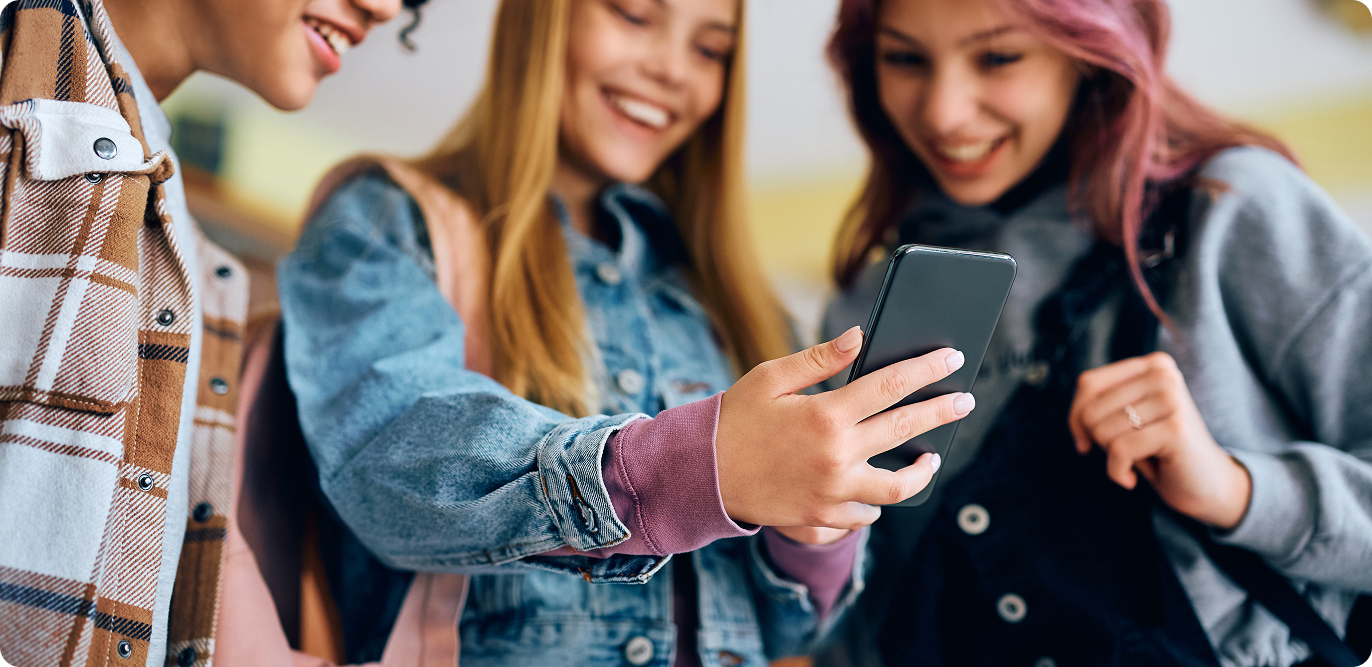
    I’ve noticed something transformative over the last few years—especially working closely with different generations. With Gen Z, the rules are different. Unlike previous generations, they aren’t interested in just buying; they want to feel involved and included by the brands they choose to support. For Gen Z, being part of something—whether it’s a movement, a creative project, or a value-driven mission—is what matters most.

    At Full House Partners, my team and I have watched how Gen Z reshapes what it means for a brand to share. Sharing, in their world, goes far beyond the transaction. They care about authentic values, fresh ideas, and creative contributions. They want a stake in what’s being built by a brand and its community.

    Our latest research consistently shows that Gen Z expects to be treated as co-creators. They don’t see themselves as passive buyers, and they’ve made me reconsider every campaign, every communication, and every product launch. If you want to reach them, you need to put genuine connection first. When brands adapt to this mindset, it’s possible to form real relationships that stick—not fleeting interest, but lasting loyalty and meaningful interaction.

    What does this mean in actual practice? To me, four things stand out:

    1. Really understand who Gen Z is, and how they view brands: This group prizes honesty, transparency, and stories that actually mean something. I’ve seen how, when brands are genuinely driven by purpose and not just profit, people notice—and respond with trust.

    2. Move toward participatory branding: Stop seeing your audience as just numbers or targets. I’ve found enormous value in giving Gen Z an active role, inviting their ideas and feedback, and involving them in where the brand is going.

    3. Think of your brand as more than just a product seller: What if your brand became a true community? The most lasting engagement I’ve witnessed happens when you turn the brand experience into something people want to be a part of, not just something they buy.

    4. Focus on building a real community: Brands that foster genuine connections—where people advocate for you and stick around—are always the ones with lasting relevance, especially among younger consumers. It’s not a tactic; it should be the core of your strategy.

    At Full House Partners, we bring together imaginative thinking and sharp analytics to help our clients get ahead of the curve. I’ve realized that sharing—being open, authentic, participatory—isn’t just what works with Gen Z, it’s becoming the way any brand must behave to matter now.

    Now more than ever, I believe the brand you build is defined by what you really share—not by what you sell.

freshcasino online
https://777vaultlogin.de/