OFF SUIT

Day: September 20, 2025

  • The Future of Customer Loyalty:Beyond Traditional Rewards Programs

    The Future of Customer Loyalty:Beyond Traditional Rewards Programs

    When a major brand announces an acquisition, one of the first concerns from its most loyal customers is often how their perks and privileges will be affected. This reaction underscores the deep emotional connection consumers have with rewards programs. A well-structured loyalty program can foster strong relationships with customers, driving long-term engagement and higher customer lifetime value. However, many programs fail to generate real loyalty, instead becoming costly initiatives that do little beyond handing out discounts.

    Traditional loyalty programs in industries like aviation, hospitality, and retail have become more valuable than ever, with companies investing heavily in their evolution. The integration of digital transformation, mobile engagement, and data analytics has reshaped how businesses interact with customers, reducing price sensitivity and increasing customer retention. However, just as not all startups succeed, many rewards programs struggle to deliver meaningful results. Some simply add expenses without influencing consumer behavior, while others fail due to poor execution or lack of strategic alignment.

    Crafting an Effective
    Loyalty Strategy

    A successful loyalty program is more than a points-based system—it must seamlessly integrate with the customer experience and broader business strategy. Companies must evaluate how a loyalty initiative aligns with their brand positioning, communication strategy, and operational structure. A case in point: a popular restaurant chain once shifted its focus entirely to a new rewards program, redirecting employee efforts from customer engagement to sign-ups. The result? A temporary decline in both revenue and guest satisfaction. Transitioning to a new model requires careful testing, ensuring that core business functions remain unaffected.


    The Traits of High-impact Loyalty Programs

    The most successful loyalty programs leverage digital innovation, personalization, and customer-centric experiences. Here are the key elements that set them apart:

    1. Data-Driven Insights
Understanding customer value is critical. Identifying the most valuable customers and tracking their full potential allows businesses to tailor offerings accordingly. A/B testing and multivariate testing can pinpoint the rewards structures that maximize customer engagement and spending. For example, some mobile gaming companies use tiered status systems based on in-app purchases, offering premium features that feel exclusive without incurring significant costs.
    2. Personalization and Targeting
Highly targeted campaigns yield the best results. Geolocation, purchase history, and behavioral insights enable businesses to deliver timely, relevant offers. A leading coffee chain, for instance, uses mobile app data to send personalized promotions based on customer preferences, increasing store visits during off-peak hours and driving incremental revenue.
    3. Experiential Over Transactional
The best programs go beyond monetary incentives. Airlines and hotels have long capitalized on this approach by offering elite perks like priority boarding and complimentary upgrades. Retailers are now embracing experiential rewards, using beacon technology to recognize high-value customers upon store entry and providing them with personalized experiences.
    4. Seamless and Intuitive Enrollment
Customers should be able to join and engage effortlessly. Programs with cumbersome registration processes often lose potential participants before they even begin. At the same time, businesses must ensure that customers actively opt-in—otherwise, they may not recognize the program’s value or alter their purchasing behavior.

      Responsiveness and Service Recovery
 Identifying high-value customers is just the first step—brands must also be prepared to respond when something goes wrong. The best loyalty programs incorporate real-time feedback loops, enabling businesses to quickly address service failures. Some companies use loyalty apps to request immediate feedback after a transaction, allowing service teams to resolve issues promptly and enhance customer satisfaction.


    Building a Program
    That Delivers ROI

    For loyalty initiatives to be financially sustainable, they must do more than distribute discounts. The key is to reward behaviors that genuinely drive long-term engagement—whether through personalized experiences, targeted offers, or exclusive perks. Businesses that succeed in this space focus on identifying their most valuable customers, continuously optimizing their offerings, and leveraging customer feedback to refine their approach.

    At Full House Partners, we help businesses craft loyalty strategies that go beyond the traditional playbook. By integrating customer insights with cutting-edge digital solutions, we design programs that not only enhance customer engagement but also contribute to long-term profitability. In today’s competitive landscape, customer loyalty is about more than just rewards—it’s about creating an experience that keeps people coming back.



  • The Five Love Languagesof Customer Loyalty

    The Five Love Languagesof Customer Loyalty

    It is often said that French is the language of love, but in 1992, marriage counselor Gary Chapman published a book outlining five of them. Since then, The Five Love Languages has become a worldwide phenomenon, helping individuals understand the universal ways of expressing and receiving love.

    But love isn’t limited to personal relationships—businesses must cultivate it as well. Companies that demonstrate love and care for their customers consistently outperform their competitors, fostering strong loyalty and engaged employees. Research has shown that businesses prioritizing customer experience see higher customer retention, brand loyalty, and employee satisfaction. So, this Valentine’s Day, why not apply Chapman’s insights to your customer relationships? Your customers certainly deserve the love.


    Love Language 1: Words of Affirmation

    Customers want to feel valued. Recognizing their loyalty strengthens the bond between brand and consumer. Small yet meaningful gestures, such as loyalty programs that acknowledge tenure, personalized thank-you notes, and direct expressions of appreciation, reinforce this connection. Customer appreciation programs like exclusive member benefits or early access to new products create a sense of belonging. Sharing customer feedback internally also motivates teams to maintain a customer-centric approach and foster continuous improvement.

    Love Language 2: Quality Time

    Time is a customer’s most valuable resource, and they appreciate companies that respect it. Businesses that streamline digital experiences while maintaining accessible human support foster trust. When digital interactions are seamless and efficient, and live support is provided where necessary, customers feel valued rather than frustrated. The key is to strike the right balance—offering convenient self-service options while ensuring meaningful human interactions when they matter most. Studies show that companies optimizing customer support efficiency retain more customers and drive positive word-of-mouth marketing.

    Love Language 3: Acts of Service

    Actions speak louder than words. Customers gravitate toward brands that genuinely enhance their lives and contribute to the greater good. Companies that empower employees to go the extra mile, make thoughtful decisions, and contribute to corporate social responsibility (CSR) initiatives create lasting impressions. Whether it’s resolving an issue proactively or demonstrating ethical business practices, acts of service show customers that they are more than just transactions. For example, supporting communities through sustainability programs or offering free resources during crises builds long-term brand trust.

    Love Language 4: Gifts

    Thoughtful surprises strengthen relationships. It’s not about the monetary value but the sentiment behind it. Unexpected perks—whether in the form of discounts, personalized experiences, or exclusive benefits—reinforce a sense of appreciation. Even simple gestures, such as recognizing a customer’s birthday with a small reward, create moments of delight that deepen brand loyalty. Companies that leverage customer reward programs and unexpected incentives experience increased engagement and higher customer lifetime value (CLV).

    Love Language 5: Touch

    While digital convenience is essential, human connection remains irreplaceable. The most successful brands combine digital efficiency with personalized customer service, ensuring customers experience warmth and authenticity in their interactions. Businesses that create hybrid experiences—where digital tools enhance, rather than replace, human connections—foster deeper relationships. From in-store experiences to live customer support, the power of genuine brand-consumer engagement cannot be underestimated.

    Consumers, like life partners, are complex. Understanding their preferences and communicating in a way that resonates with them builds lasting relationships. Companies that demonstrate love for their customers, not just through marketing but in everyday interactions, cultivate stronger loyalty, employee satisfaction, and long-term success.
    At Full House Partners, we believe that exceptional customer experience drives sustainable growth. By embracing these love languages in business, brands can move beyond transactions and build communities of engaged and loyal customers. Now that’s a love story worth telling.

  • Cutting Through the Noise: ReinventingConsumer Goods Marketing

    Cutting Through the Noise: ReinventingConsumer Goods Marketing

    The consumer goods industry is facing an unprecedented challenge: breaking through the overwhelming volume of information and capturing audience attention. As digital engagement, personalization, and brand trust become the key drivers of success, companies must rethink their marketing strategies. At Full House Partners, we believe that AI-driven insights, data-centric storytelling, and seamless omnichannel experiences are essential for brands to stand out in a crowded marketplace.

    understanding the Consumer
    Attention Shift

    Consumers today are bombarded with content across multiple platforms. Traditional advertising no longer guarantees engagement. Instead, brands must create authentic, relevant, and highly personalized experiences. AI-powered analytics provide deep insights into consumer behavior, allowing companies to craft targeted, data-driven campaigns that connect with their audiences on a deeper level.

    Personalization and Predictive Engagement

    With access to vast amounts of consumer data, brands can leverage predictive analytics and AI-driven personalization to anticipate needs and enhance customer experiences. Dynamic content delivery, personalized recommendations, and contextual advertising are reshaping how brands engage consumers. By utilizing real-time consumer insights, companies can increase conversion rates and brand loyalty.

    The Power Of Omnichannel Strategies

    Successful brands are those that integrate omnichannel marketing approaches, ensuring a consistent, seamless experience across digital, social, and physical retail spaces. AI-powered chatbots, voice assistants, and interactive experiences create a fluid consumer journey, reinforcing brand trust and making engagements more intuitive and frictionless.

    Building Brand Trust and Transparency

    Consumers today value authenticity, sustainability, and transparency. Brands that embrace ethical sourcing, sustainability initiatives, and genuine storytelling can build deeper relationships with their audiences. Blockchain technology and AI-driven verification systems are enhancing consumer confidence by offering traceability and transparency in supply chains.

    The Future of Consumer
    Goods Marketing

    To thrive in an era of information overload, brands must embrace AI-driven strategies, hyper-personalization, and innovative digital experiences. At Full House Partners, we help businesses navigate this complex landscape by implementing data-driven marketing solutions that enhance engagement and drive brand growth.
    The competition for consumer attention is fierce. The question is—are you ready to cut through the noise?

  • Why SEO Truly Matters in Digital Product Creation

    Why SEO Truly Matters in Digital Product Creation

    Having worked for years in digital product development, I often reflect on how misunderstood Search Engine Optimization (SEO) is, even though it’s everywhere these days. Early in my career, I too had a narrow view, thinking SEO was just about getting on the first page of Google. Over time, I learned it’s woven through nearly every aspect of making a digital product succeed.

    How SEO Has Shaped My Digital Projects

    1. Finding the right words: My approach to keyword research 
    Before I dive into developing any new product or website, I always begin with keyword research. For me, this isn’t just about search volume; it’s about understanding what real people are looking for and speaking their language. When I shape content and product features around these keywords, our projects become much more discoverable and appealing.

    2. Building structure for both people and search engines 
    One lesson I learned the hard way is that a messy website structure only leads to confusion – not just for users, but for search engines too. I now prioritize planning navigation and site architecture so information flows logically. Not only does this make things smoother for visitors, but it also ensures search engines can actually find and present our content.

    3. Speed: Not just a luxury, but a necessity 
    I’ve watched users bounce in seconds when a page lagged for even a moment. Fast load times matter – they improve satisfaction, reduce bounce rates, and, yes, boost our positions in search. These days, I focus on optimizing images and streamlining code, because every second counts.

    4. Going mobile-first: Designing for everyone, everywhere  
    Nowadays, with so many of us glued to our phones, responsive design isn’t optional. I learned to always test how products appear on different screens. When everything works smoothly across devices, users are happier and we meet search engines’ mobile-readiness requirements, too.

    5. Content that actually resonates  
    One thing I never overlook is content quality. I now see how helpful, engaging articles or product pages keep people around longer and encourage them to explore more. When users feel informed and entertained, search engines notice too, usually rewarding us with better visibility.

    6. Making accessibility a priority  
    For me, digital products shouldn’t leave anyone out. I work with my team to ensure features like alt text on images, video subtitles, and keyboard-friendly navigation are built in from the start. This not only supports users with disabilities but often leads to higher traffic and better SEO performance overall.

    7. Never guessing: Measuring and learning
    Launching a product is never the finish line. I’m always checking analytics, looking at how users interact, where they drop off, and which pages convert best. This data guides my ongoing decisions, and helps keep our work aligned with both user needs and changes in how search engines operate.

    After years in the field, I’m convinced that weaving SEO into every stage of digital product development isn’t just smart – it’s critical. When I put emphasis on research, site structure, speed, responsive layouts, quality content, accessibility, and constant analysis, the digital products I develop consistently outperform the competition. In today’s ultra-competitive market, you simply can’t afford to ignore SEO.

  • Is AI Going to Take Over Our Jobs? Not Exactly — It’s Here to Help Us Work Smarter

    Is AI Going to Take Over Our Jobs? Not Exactly — It’s Here to Help Us Work Smarter

    We’ve all wondered how artificial intelligence is changing the way we work, especially when it comes to creative industries and marketing. While it’s clear that AI can’t replicate the subtle human touch that resonates with an audience, there’s no denying that these tools make our day-to-day working lives much easier. In fact, by streamlining repetitive or administrative tasks, AI frees us up to focus on the creative approaches and genuine connections that set our content apart.

    This is a topic we’ve discussed among ourselves — and maybe you have, too. In this article, we’ll walk through what it really means to create content with AI, address some common worries, spotlight the best tools, and share practical ways to bring these advancements into our workflows.

    What Does AI Content Creation Mean?

    AI content creation is the process of weaving artificial intelligence into every stage of producing content — from researching and drafting to scheduling, publishing, and measuring results. These days, there are plenty of tools out there to help us quickly write blogs, brainstorm post ideas, craft social media captions, edit videos, and keep up with the latest trends, all while streamlining our workflow.

    Should We Be Worried About AI Replacing Marketers?

    Let’s be honest: the short answer is no.

    AI is great at handling the bulk work, like producing draft articles, crafting catchy subject lines, or generating social captions at speed. But truly effective content? It always carries a human perspective — the tone, the nuance, and the authenticity that only we can bring. Even the AI tools themselves point to these limits.

    In fact, relying too heavily on AI runs the risk of creating bland, repetitive, or even error-filled content that lacks originality. For us, the most valuable way to use AI is as a powerful companion: it generates ideas, speeds up production, and optimizes our efforts, but never replaces creative human contribution.

    How AI Adds Value to Content Creation

    – Instant Idea Generation
    If you’ve ever stared at a blank page, you know how tough it can be to get started. AI serves up fresh ideas tailored for our brand and today’s trends, energizing our brainstorming sessions.

    – Automating Tedious Tasks 
    Routine jobs like scheduling posts or drafting captions eat up precious time. AI frees us to direct our attention to the projects that require real creative thought.

    – Staying Nimble in a Fast-Changing Market
    With AI progressing at an incredible rate – its industry is expanding by well over 120% a year – adopting these tools early keeps us competitive and ready for the future.

    – Sharpening Distribution Strategy 
    Certain AI platforms advise not only on content but also the best times and places for posting, helping us get the most out of every piece.

    Our Top Picks: AI Content Tools for Today

    1. ChatGPT  
    The go-to assistant for anything from brainstorming to drafting and summarizing. We always make sure to review and personalize messages, keeping our unique brand voice front and center.

    2. AI Caption Generators  
    Making our social calendars is easier when captions come together fast and match our visual and marketing goals.

    3. AI-Powered Graphic Design Tools
    Need custom visuals? These tools help us whip up on-brand graphics in minutes — all without needing to be pro designers.

    4. Intelligent Hashtag Suggestions  
    Why guess at hashtags? Automated research helps boost reach and engagement, saving us both time and hassle.

    Making Social Media Management Easier with AI

    With the right automation tools, we can manage several platforms at once, schedule posts for the perfect time, keep an eye on what’s working (and what’s not), and work together as a team — all more efficiently than ever before.

    Taking advantage of these AI solutions helps us keep our digital content consistent, relevant, and able to scale as our business grows.

    Ready to put artificial intelligence to work for your brand? The future of marketing is already here, and at Offsuit by Full House Partners, we’re here to help your business lead the way.

  • Digital Empathy: How I Build Real Connections in a Virtual World

    Digital Empathy: How I Build Real Connections in a Virtual World

    As someone who works in the ever-changing world of branding and digital strategy, I face a daily challenge: there’s always a new trend, tool, or buzzword—from the Metaverse and virtual avatars to NFTs and AI-led recommendations. Yet, I’ve learned that technology by itself just isn’t enough. At Full House Partners, we believe that what truly bonds people to brands—what transforms fleeting digital engagement into long-term relationships—is empathy: practical, sincere effort to understand “the human behind the screen.”

    Why Digital Empathy Is So Powerful

    In 2025, we’re surrounded by technologies promising deeper, richer audience engagement. Whether it’s inviting users into immersive online communities or using AI to generate content, what sticks isn’t the fancy interface—it’s how genuinely people feel understood and included.

    When Digital Items Become Shared Experiences

    It still amazes me how digital assets, like NFTs, have moved beyond being trendy collectibles. When they’re thoughtfully planned, they become ways for people to connect deeply—almost like digital “badges” of belonging to a group, or proof of taking part in a valued experience. I’ve seen the best results when audiences are involved in shaping those stories, not just consuming them.

    AI as a Tool for Real Relevance

    AI lets brands like ours analyze enormous amounts of data, so we can deliver the right content at the right time. But what excites me most is when we use AI-generated digital personalities—these “virtual humans”—to represent brands, as long as their stories actually resonate with people’s lives. The risk, I’ve found, is relying on AI just for efficiency, not empathy.

    My Guide to Building Virtual Connections That Matter

    Here’s the approach I use and recommend:

    1. Start with Empathy: Before launching any digital campaign, I strive to understand what matters to our audience—what inspires or frustrates them.
    2. Respect Cultural Nuance: I don’t work in a bubble. I engage with different communities, making sure everything we do feels culturally true and relevant.
    3. Make Storytelling the Core: Immersive stories spark action and loyalty. So, I invite people into narratives where they can participate, not just watch.
    4. Let Tech Serve the Story: I use the latest tools—VR, AI—but always as a way to make connections more real, not less.

    Measuring What Really Counts

    Sure, I track the numbers: engagement stats, time spent in virtual worlds, NFT trades. But I place just as much value on qualitative feedback—how people talk about the brand, whether they share positive stories, or if community members feel genuinely heard.

    As digital and physical realities become even more intertwined, I’m convinced that brands which lead with empathy—not gimmicks—are the ones that’ll stand out. For me, that’s what turns new technology into a true bridge between people.

  • Will AIs Replace Art Directors at Agencies?

    Will AIs Replace Art Directors at Agencies?

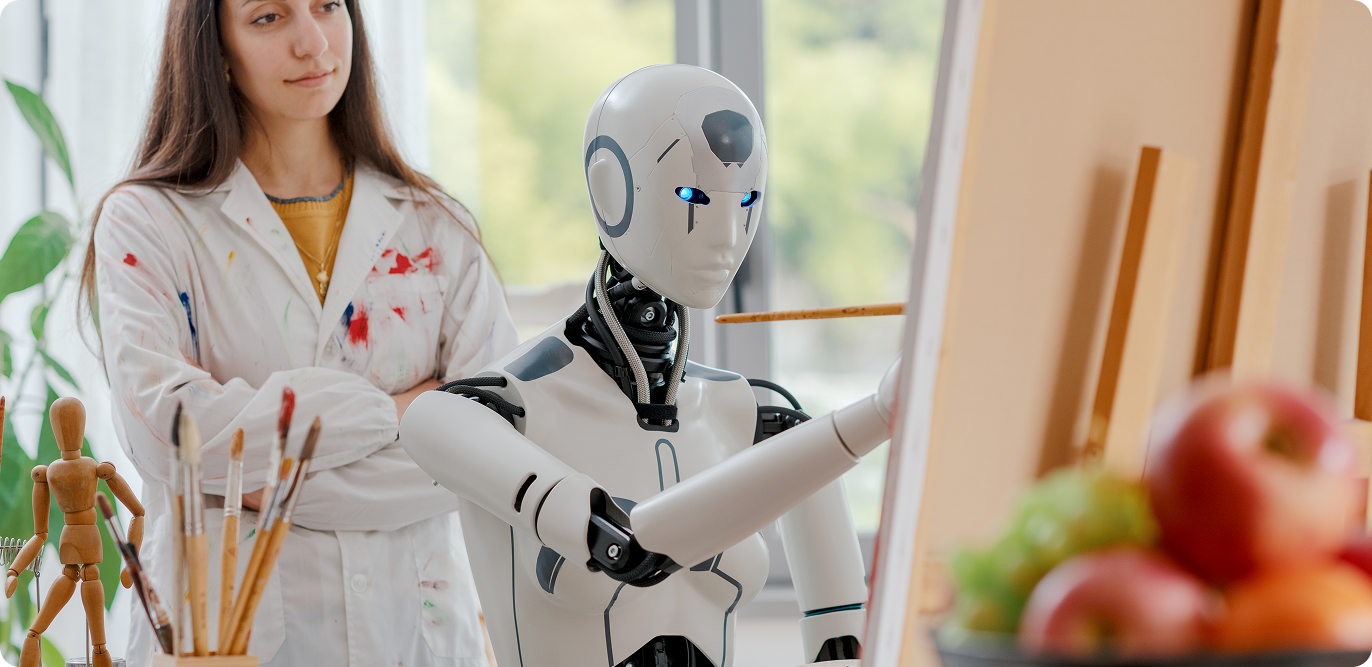
    If you’re anything like me and work in the creative industry, you’ll know how relentless the conversation around artificial intelligence has become. Not long ago, I remember AI-generated art as something of a joke—a parade of awkward faces and surreal-looking objects. Fast-forward to today, and I find myself second-guessing which campaign visuals are made by hand and which were sparked by an algorithm. It’s both amazing and, honestly, a bit unsettling.

    This whole transformation leaves me with tough questions: Are the days numbered for art directors, photographers, illustrators—people like myself and my team? Or, could this be the start of a smarter era where AI becomes our creative sidekick, letting us shed the repetitive bits and focus on strategy and big ideas?

    The Dawn of Generative Creation

    What I’ve witnessed, especially in recent months, is the arrival of generative art platforms that hit astonishing levels of detail and realism. I’ve played around with AI tools where you simply describe what you want—“Show me a Parisian street at sunset, shot on a vintage lens”—and, within seconds, something impressive appears. What really strikes me isn’t just the persuasiveness of the image, but how much control is suddenly at our fingertips. Mastering these prompts (I’ve caught myself composing paragraph-long descriptions just to get the mood right) is becoming its own creative skill.

    Where Ethics and Technology Collide

    Of course, as these tools expand, so do efforts to police their misuse. I appreciate that many platforms automatically block hateful or violent content. And yet, their capabilities are evolving fast. Some let you “outpaint”—that is, keep building outside the canvas of a classic painting, conjuring entirely new scenes in the spirit of the original. Pretty mind-bending! But there are still limits: I’ve noticed that complex human moments—like a genuine hug or a nuanced facial expression—tend to trip up the latest AIs. Often, I have to stitch together results from different tools or tweak faces myself. These workarounds remind me that, while powerful, AI is still a tool that requires active guidance.

    AI: A Creative Spark, Not a Replacement

    The million-euro question: Is AI coming for our jobs in creative departments? In my view, that isn’t likely. My own experience shows me that AI shines with things like speedy mockups or fleshing out early ideas—stuff that used to eat up far too much of my team’s day. Freed from repetitive tasks, art directors and designers like us can do what we do best: think strategically, push concepts further, and connect brands with audiences on a deeper level. It’s not unlike the leap from analog to digital—you gain efficiency, but creative vision still matters most.

    At Full House Partners, we integrate AI to make production swifter—generating several layout options in minutes or quickly shaping visual possibilities for clients. Yet, it’s still our intuition and judgment deciding what fits a client’s identity, and what just doesn’t click.

    Prompts: Creativity Reimagined

    One trend I find fascinating is how writing prompts has grown into a new craft—some now call it “prompt engineering.” It reminds me so much of drafting a creative brief: you have to clearly channel strategy, aesthetics, and references, and the better your prompt, the stronger the result. I’ve even seen colleagues trade, or sell, their best prompts online! Still, no matter how advanced an AI gets, interpreting and curating its output remains deeply human work—something many of us actually find energizing.

    Brand Identity: Consistency in a Fast-changing Age

    AI’s power extends far beyond playful mock-ups. I regularly see tools that, after learning your brand’s visual DNA—color schemes, fonts, and design quirks—can generate images and styles that fit seamlessly with other brand content. Paired with AI that mirrors a brand’s “voice” in text, this makes orchestrating coherent campaigns faster than I ever thought possible. Even then, that human oversight—making sure nothing feels off-brand—remains irreplaceable.

    I can’t help but be curious: With AI already dabbling in video, animation, and even scriptwriting, how far are we from full campaigns designed by algorithms? Perhaps not as far as we imagine! And yet, the one constant is our need for original thinking—our ability to dream up what’s meaningful, ethical, and new. At Full House Partners, AI is simply an ally, pushing us to sharpen our strategy and creativity even further. Welcoming AI, thoughtfully and responsibly, is a natural part of our commitment to innovation. It’s how we stay fresh and deliver real results for clients in a market that never stands still.

  • How I’m Experiencing the NFT Revolution as a Brand Strategist  

    How I’m Experiencing the NFT Revolution as a Brand Strategist  

    Over the past months, I’ve watched the conversation around NFTs (non-fungible tokens) explode—not only among my friends and colleagues in tech, but across almost every industry I know. Suddenly, people are talking about “metaverse” and NFTs as if they’re already part of everyday life. What has really helped me make sense of this phenomenon is understanding blockchain technology at the heart of it all—a decentralized, tamper-proof record that makes genuinely owning a digital asset possible, whether that’s a work of art, a recording, or even a digital badge.

    It’s easy to get caught up in the news stories about NFT sales in the millions, but the reality for most people is quite different. From what I’ve seen and read, only a tiny fraction (about 1%) of NFTs ever sell above $1,500, while the vast majority (75%) trade for $15 or less. For me, this really points to something beyond quick profit: it’s a major shift in how we think about digital ownership and what it can mean for brands and consumers alike. NFTs are signaling a future where digital assets give us new ways to interact, belong, and even create value together.

     Looking Beyond the Trend: Why NFTs Truly Matter

    1. Creating a Digital Identity  
    Like almost everyone I know, I want my online presence to reflect my personality. What I choose to display or own on social media and in digital spaces says a lot about me. NFTs have become a cool way for people—especially younger generations—to stand out, whether they’re buying digital outfits, limited-edition artwork, or even plots of virtual land. I wouldn’t be surprised if, very soon, people spend more on their digital avatars than on “real-world” style, especially when NFTs offer exclusive advantages or status in a community.

    2. Unlocking Special Experiences  
    One thing I’ve really come to appreciate is that NFTs can open doors to things you can’t get any other way. Sometimes it’s backstage passes to a concert—virtual or in-person—or access to a product before anybody else. Some brands use NFTs to deliver one-of-a-kind perks and surprise those who hold their tokens. Since everything is verified on a public ledger, there’s no doubt about authenticity, and the feeling of being part of something exclusive is real.

    3. Building Close-Knit Communities  
    People have always come together around common interests. In my circle, I’ve seen how NFT projects create new communities—small clubs united by holding a certain token, almost like having a digital membership card. The best thing is, these tokens can change as the brand evolves, sometimes unlocking new access or benefits over time. It’s loyalty, but amplified by technology.

    How Brands Can Engage in the NFT Era

    Using Scarcity and Exclusivity  
    One strategy that’s really stood out to me is brands releasing a very limited number of NFTs linked to product drops or unique events. This sense of scarcity makes people (myself included) sit up and take notice. Suddenly, a product purchase becomes an event in itself, sparking buzz and press coverage.

    Combining the Physical and the Digital (“Phygital” Experiences)  
    I’m betting the next big shift is in connecting our real-world purchases with digital ones. Imagine walking out of a store with a brand-new pair of sneakers and receiving a matching NFT that your metaverse avatar can wear. This combination isn’t just a novelty—it’s a way for brands to keep customers engaged long after the initial sale, especially through loyalty programs that blend both worlds.

    Fostering Deeper Loyalty  
    Over time, owning a brand’s NFT could be about more than just showing off. It could mean ongoing access to special events, limited products, or even behind-the-scenes views—like an exclusive VIP club that keeps getting better. In my experience, these ongoing touchpoints help brands turn occasional buyers into true advocates.

    New Opportunities for Revenue

    As the metaverse grows, I’m seeing more brands seize new ways to generate income, from selling digital fashion and accessories for avatars to setting up shop in virtual worlds. I find it fascinating that people wanting to express their fandom or style in real life now want to do the same online. That’s a huge opportunity for brands willing to innovate.

    Where We Go from Here: Sustainability is Key


    A question I’m asked often is about the environmental footprint of blockchain and NFTs. It’s a valid concern, and one that isn’t going away. At Full House Partners, it’s something we think about every day. To help brands thrive, we’re committed to finding solutions that balance creativity, customer engagement, and environmental responsibility—so we don’t lose sight of the bigger picture.

    For me, NFTs represent so much more than fleeting hype—they’re a tool for brands to create memorable, meaningful connections. From unlocking access to new types of sales, the potential is vast, as long as you have a clear sense of purpose. Guiding businesses through this digital landscape is what we do at Full House Partners, ensuring every innovation fits the brand’s bigger ambitions.

  • The Juggling Act: How I Learned to Balance Technologyand Creativity for Real Impact

    The Juggling Act: How I Learned to Balance Technologyand Creativity for Real Impact

    Sometimes, I catch myself reflecting on just how different the professional world looks today. It often seems like we’re surrounded by two opposing forces—creativity and technology. Creativity is about letting the mind wander, finding ideas off the beaten track, and pushing boundaries. Technology, on the other hand, rewards structure, logic, and streamlined efficiency.

    At first glance, these two rarely seem like they’ll ever get along. But ever since digital innovation began shaping every part of business, I’ve noticed that these forces are less like rivals and more like partners—if you let them be.

    Something I see a lot, especially over the past year, is that some organizations still treat technology like it’s a magic cure-all. There’s this hope that simply adopting the newest and shiniest tools will suddenly unleash creativity and fix all business headaches. I’ve learned, through my work at Full House Partners, that this rarely happens.

    Technology, in my experience, can automate what’s routine and make our lives easier, but it never truly replaces those flashes of insight that only people can bring. In fact, the most exciting results happen when creativity sparks an idea, and technology helps turn that spark into something real and practical.  

    If you ask me, here’s what genuinely helps make this partnership work:

    1. Always Question What Tech Is Really Doing for You 
    Early in my career, I realized it’s easy to fall into a routine with tech. We buy the latest tool and then just use it the ‘usual way.’ But what if we challenged ourselves to see what else technology could do? I kept trying different approaches until I stumbled across creative uses—like making mood boards with search tools—which helped me see and build new visual concepts. That’s when fresh ideas started flowing.

    2. Let Automation Handle the Mundane—But Keep the Mind Free for Creativity  
    One of my favorite things about technology is its ability to handle repetitive stuff, freeing up mental energy. I use digital whiteboards with my team so everyone can throw in thoughts, organize them, or riff off each other’s ideas, all in real-time. This way, we’re not bogged down by logistics and can focus on developing something original together.

    3. Don’t Let Technology Put You in a Box 
    It’s funny: tech can actually make people think less ‘outside the box’ if we’re not careful. I’ve seen teams fall into the trap of focusing too much on the process or the tool itself and not enough on the creative idea behind it. For me, it’s about constantly asking—are we letting the tool dictate the outcome, or are we using creativity to take the tool somewhere new and surprising? That’s how real innovation happens and how you avoid getting lost in sameness.

    4. Turn Big Data into Meaningful Ideas 
    We’re absolutely swimming in data these days. It’s one thing to have access to it, but another to turn it into a story or something useful. Over the past year, I’ve experimented with AI-powered campaigns and data visualization to help clients connect with people in ways that hit closer to home. The right creative angle—supported by what the numbers tell us—has made all the difference in building genuine emotional connections.

    5. Use Tech to Connect With, Not Just Broadcast To, the World  
    The last couple of years showed me just how powerful it is to have platforms that open doors to fresh perspectives and cultures. Tools like TikTok or creative networks like Behance have made it possible not just to share, but to collaborate and co-create with people I would never have met otherwise. The diversity and richness this adds to the creative process simply can’t be matched

    I’ve come to realize the real magic happens when you’re intentional about walking the line between creativity and technology. At Full House Partners, we’ve doubled down on this approach—encouraging original thought and harnessing new tech to produce results that genuinely stand out for our clients.

  • Patient‑Centric Marketing: Harnessing Dataand Empathy to Elevate Care

    Patient‑Centric Marketing: Harnessing Dataand Empathy to Elevate Care

    Lately, I’ve been reflecting on how healthcare marketing has been changing and how that’s altered the way I relate to health brands and providers. It’s clear to me now: putting the patient – people like us – at the center is no longer just a trend; it’s absolutely essential. When I look around, nearly half of us in the Asia-Pacific region are expecting to rely on digital health solutions within the next few years. If the costs are covered, about 9 out of 10 people I speak with are eager to give these tools a shot.

    I’ve watched digital health grow explosively—just look at Ping An Good Doctor, which saw its new users jump by almost 900% in a single month. In Indonesia, Halodoc doubled its active base, and friends in Singapore talk about MyDoc, which experienced a more than 270% rise in users since 2019. These shifts aren’t abstract: I see their effects all the time, whether it’s booking appointments online in seconds, using teleconsultation links instead of traveling, or getting reminders for medications that help people actually stick to their plans.

    This evolution, I’ve realized, isn’t limited to only lightly regulated spaces. Even deeply regulated fields like pharmaceuticals and medical devices are finding ways to use anonymized data and trustworthy, evidence-based information to create stronger, more personal relationships with patients.

    At Full House Partners, the team and I are prioritizing engagement that truly cares, built upon four key pillars:

    Empathy at the Core: Every time I look at someone’s patient journey—mapping their choices, frustrations, and goals through behavioral data—I’m always struck by how much more meaningful communication can be when it starts with empathy.

    Prioritizing Education: Rather than talking “at” patients, I’m committed to producing content that’s clear, compliant, and genuinely helpful so people can make informed choices – that includes myself and my family.

    Smoother Navigation: I know how complicated healthcare can get. By integrating digital touchpoints – like online scheduling, teleconsultation, and automatic medication reminders – right into our communications, we make things easier, faster, and less overwhelming.

    Focusing on Outcomes: For me, the real test of any campaigns or solutions is in tracking things that matter: Are patients satisfied? Do they stick with their treatments? Are outcomes improving? Using these insights, we constantly adapt our strategies.


    By shifting the role of marketing away from simply promoting products to genuinely supporting better patient outcomes, I see how health organizations – and patients like me – can reap immense value. At Full House Partners, data and empathy go hand-in-hand to create strategies with real, lasting impact. It’s how we’re helping brands be leaders in this new era of patient-centered healthcare.

freshcasino online
https://777vaultlogin.de/